Enhance Your Property: Crucial Insights Regarding Home Renovation Work for Each House Owner
Residents commonly search for ways to improve their homes via professional remodeling. These projects can range from kitchen upgrades to complete home renovations. Understanding the options available is vital for choosing intelligently. Moreover, one must consider practical considerations including financial planning and choosing the right builder. As householders start this endeavor, they may find themselves facing unexpected challenges. The key to a successful transformation depends on careful planning and performance. Which actions should follow?
Knowing the Various Categories of Home Remodeling Services
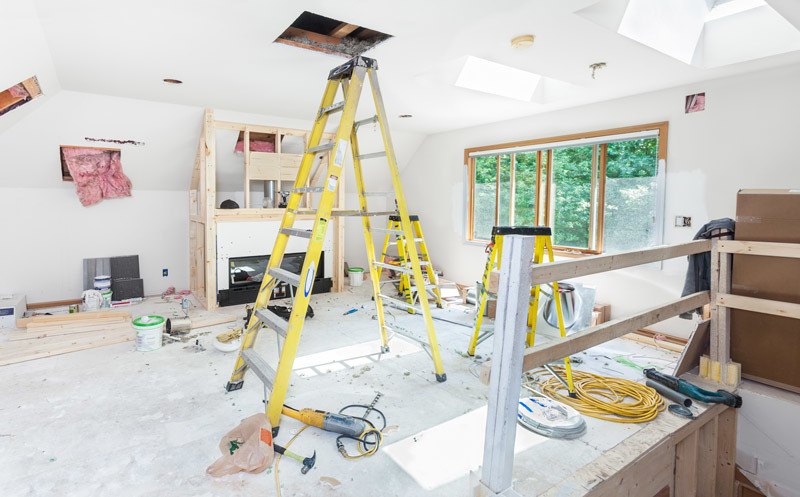
When property owners think about upgrading their residences, they often encounter numerous renovation options designed for specific preferences and preferences. These options can be widely classified into a few distinct groups, each focusing on particular areas of home improvement. Kitchen renovations center on updating appliances, storage units, and layouts to enhance functionality and the look. Bathroom upgrades generally mean updating the hardware, the ceramic work, and shelving options for better convenience and design.
Whole-home remodeling encompasses extensive modifications to the entire house, sometimes requiring major structural work to make the most of the space and layout. External improvement work, on the other hand, focus on boosting the property's street view, addressing siding, the covering, and the yard. Furthermore, specific options like basement finishing and attic conversions help residents make the most of underutilized spaces. All these service types offers unique benefits, enabling homeowners to choose options that align with their vision for their residence. Understanding these distinctions is crucial to choosing wisely throughout the remodeling project.
Setting a Realistic Budget for Your Remodeling Project
What steps ensure their home upgrades are kept within budget? Establishing a realistic budget is crucial. It is advisable for homeowners to begin by evaluating their financial capacity, including savings and potential financing options. This initial step helps establish how much can be allocated for the remodel while maintaining other fiscal obligations.
Afterward, those undertaking the remodel should look into the financial requirements of their intended changes, including materials, labor, and surprise expenses that tend to crop up. Making an exhaustive list of needs will assist in distinguishing essentials from desirable features, enabling modifications if the finances are strained.
It timely resource is prudent to set aside an emergency fund, usually about 10-20% of the overall cost, to cover unexpected costs. Regularly reviewing and adjusting the budget throughout the remodeling process can also help maintain financial control. In the end, a carefully structured budget does more than just confirm the project can be done and makes the whole updating experience better for those living in the home.
Finding the Best Contractor for Your Requirements.
Selecting the right contractor can significantly affect the success of a remodeling project. Homeowners should begin by doing comprehensive research, looking for suggestions from acquaintances, relatives, or web feedback. It is crucial to check qualifications, like licenses, insurance, and bonds, to confirm legitimacy.
When prospective builders are located, they should seek detailed cost breakdowns and timeframes, making it possible to compare options knowledgeably. Interviews provide insight into communication styles and professionalism, which are essential for a collaborative process.
Furthermore, examining previous work via portfolios or referrals shows the builder's standard of work. It is wise to question them regarding warranties or safeguards, reflecting the contractor's confidence in their work.
Ultimately, selecting a contractor who aligns with the homeowner’s vision, budget, and timeline fosters a more positive remodeling experience, making certain the outcome satisfies needs and successfully updates the home's interior.
Organizing and Conceptualizing Your Ideal Space.
As those renovating imagine their desired rooms, thorough preparation and well-considered layout form vital parts of an effective updating job. The first step involves evaluating current needs and future aspirations, which permits a comprehensive grasp of the room's intended function. It is important for homeowners to weigh functionality, visual appeal, and their individual taste, making sure the design captures their distinctive choices.
Following this, creating a detailed budget is vital. This budget should cover materials, workforce costs, and contingency funds. Engaging with design professionals can provide valuable insights, helping to optimize the space while sticking to budgetary constraints.
Incorporating elements like ample daylight, open layouts, and sustainable materials can improve the final result. Lastly, seeing the project via drawings or computer models can help perfect concepts before implementation. When handling the initial design phase deliberately, homeowners can create an inviting, efficient space tailored to their lifestyle.
Navigating Permits and Regulations in Residential Projects
Familiarizing oneself with the red tape and requirements can be challenging for homeowners embarking on a renovation. Every local government sets particular guidelines that dictate what is permissible during renovations, typically guided by zoning laws, building codes, and security requirements. Homeowners must familiarize themselves with local regulations so they don't incur hefty fees or setbacks in the timeline.
In most cases, getting permits is mandatory for significant alterations, such as structural changes or electrical work. This process frequently requires submitting blueprints for approval and may require inspections at different phases.
Working with a skilled professional can simplify this process, as they are often familiar with local codes and can help manage the documentation. It is important for homeowners to communicate regularly with the municipal planning office to guarantee compliance throughout the project. By comprehending and working within these rules, homeowners can fulfill their improvement aims and maintaining compliance with the law in their renovations.
Common Queries
What is the Duration of a Standard Home Renovation?

The average remodeling job typically spans between three to six months, contingent upon the extent of the project, size of the home, and availability of materials. More involved renovations might need extra time for completion.
What are frequent blunders you should steer clear of while undertaking a remodel?
Typical pitfalls during remodeling include underestimating budgets, ignoring necessary permits, overlooking timelines, not maintaining clear communication with your builders, and ignoring long-term functionality. Understanding these dangers can lead to a smoother, more successful renovation project.
How do I choose the right materials for my project?
Choosing the right materials requires assessing how long they will last, visual appeal, and cost constraints. Investigating available choices, consulting professionals, and thinking about upkeep can greatly aid in reaching educated conclusions, to guarantee the project fits your functional and aesthetic goals.
Can I live in my home while the remodeling is happening?
Yes, one can live in their home while work is ongoing, but it might cause disruption. Detailed organization, clear communication with contractors, and creating defined spaces for essential activities can lessen the stress while the work is underway.
What guarantees should I look for from remodeling contractors?
You should anticipate receiving warranties that guarantee the quality of the work, materials, and structural components, typically ranging from one to ten years. It is essential to examine specific terms and conditions in partnership with the renovation company to know the full extent of the guarantee and its restrictions.